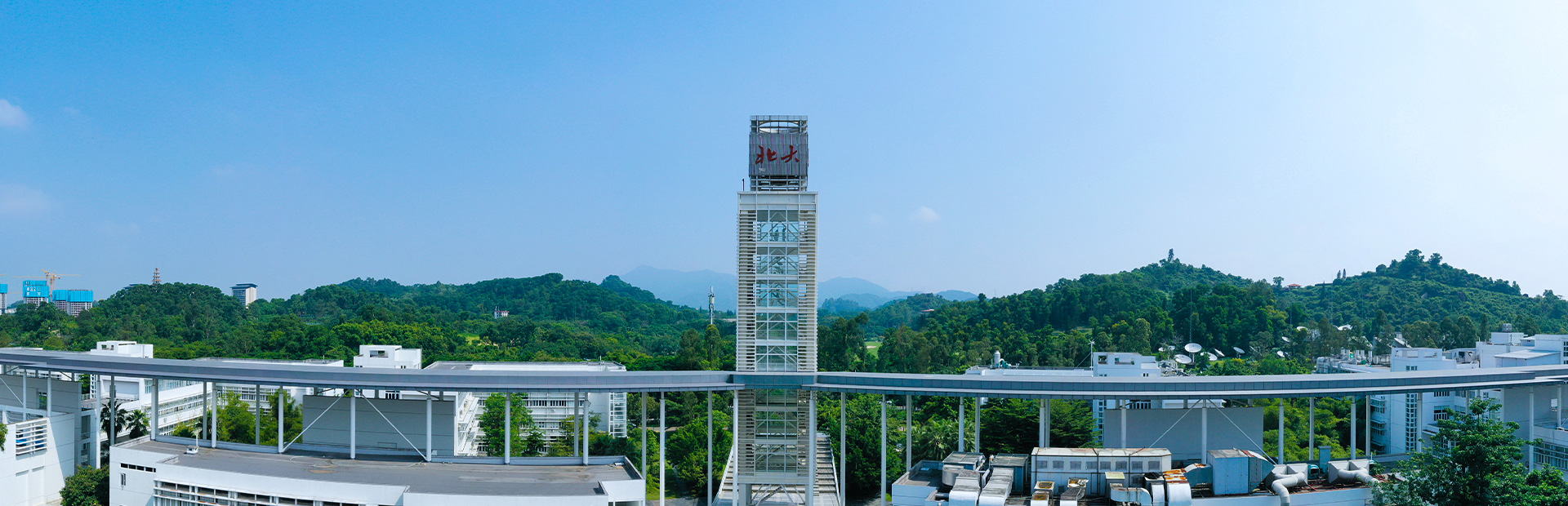
To thoroughly implement the national strategy of invigorating the country through science and education and to promote the scientific literacy of youth, the inauguralPeking University Shenzhen Graduate School Life Sciences Research Campwas successfully held from January 26 to 28, 2026, at the Laboratory Animal Center of Peking University Shenzhen Graduate School (PKUSZ).
The event was organized under the joint guidance of the Shenzhen Children's Palace, the Nanshan District Association for Science and Technology, and the Nanshan District Education Bureau, and received strong support from the Shahe Subdistrict Office of Nanshan District. A total of 15 students were recruited for this camp. Through a three-day immersive scientific research practice, they embarked on a wonderful journey exploring the frontiers of life sciences.
Opening Ceremony: Laying the Foundation for Scientific Research
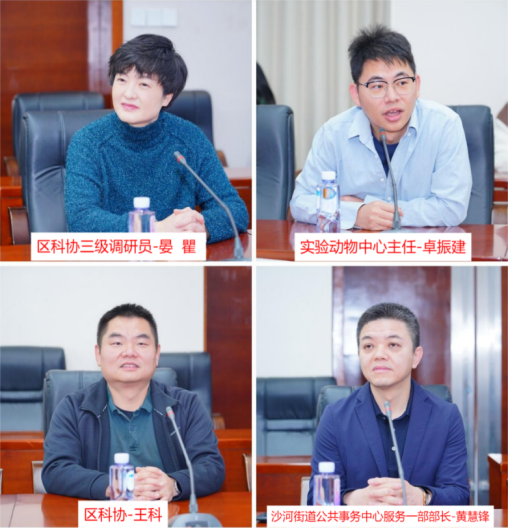
On the morning of January 26, the research camp officially commenced. Director Zhuo Zhenjian of the Laboratory Animal Center expressed his hope that the event would help students grasp the core concepts of life sciences and ensure they walked away with fruitful insights.
The students first underwent systematic training in laboratory safety, establishing a rigorous and standardized mindset for their first lesson. Through ice-breaking and grouping activities, the students quickly integrated into their teams. Guided by their mentors, they familiarized themselves with the research environment where they would work side by side for the next three days, laying a solid foundation for subsequent in-depth learning.
Three-Dimensional Progression: Constructing a Complete Research Chain
The research camp featured an innovatively designedAnimal - Molecule - Celltrinity curriculum module. This setup aimed to provide students with hands-on experience in the complete logic of biomedical research, spanning from microscopic mechanisms to holistic phenotypes.
The instructors for the program included Rufeng Zeng and Jinxin Liu from the Laboratory Animal Center, alongside Ph.D. candidates Chuchu Xie and Wei Tang from the graduate school.
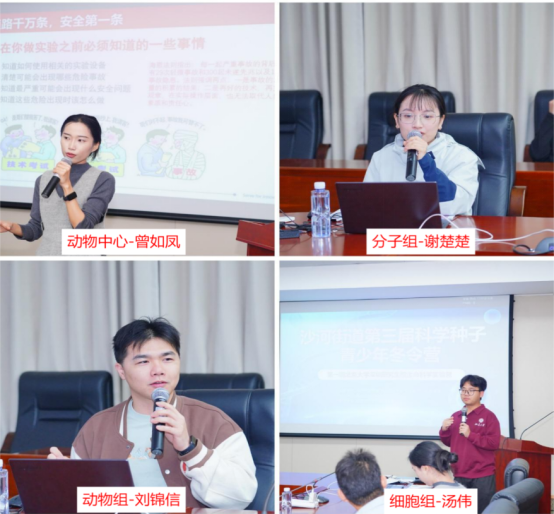
Figure 2: Safety training session and instructors introducing the curriculum design
Laboratory Animal Module
The students systematically studied the fundamental knowledge, welfare, and ethics of laboratory animals, gaining a deep understanding of the scientific core of the3R Principles(Replacement, Reduction, and Refinement). Under the strict guidance of their mentors, the students mastered standard techniques, including the proper handling and restraint of laboratory mice, the simulated construction of subcutaneous tumor models, In Vivo Imaging System (IVIS) observation techniques for small animals, and standardized euthanasia procedures. This module deeply instilled the core values of respecting life while pursuing scientific exploration.
Molecular Biology Module
Starting from the precise use of micropipettes, the students progressively completed core procedures such as protein extraction, SDS-PAGE electrophoresis, western blot transfer, and antibody incubation. Through hands-on operation, the students not only mastered key techniques but also understood the logical chain of protein analysis in unveiling life phenomena.
Cell Culture Module
Centering entirely around sterile techniques, the module introduced students through a series of standard protocols: cell thawing, subculturing, morphological observation, cell counting, plating, and viability assays.The curriculum placed strong emphasis on procedural rigor and experimental reproducibility, equipping participants with a foundational framework for applying cell-based models in the context of biomedical research and drug development.
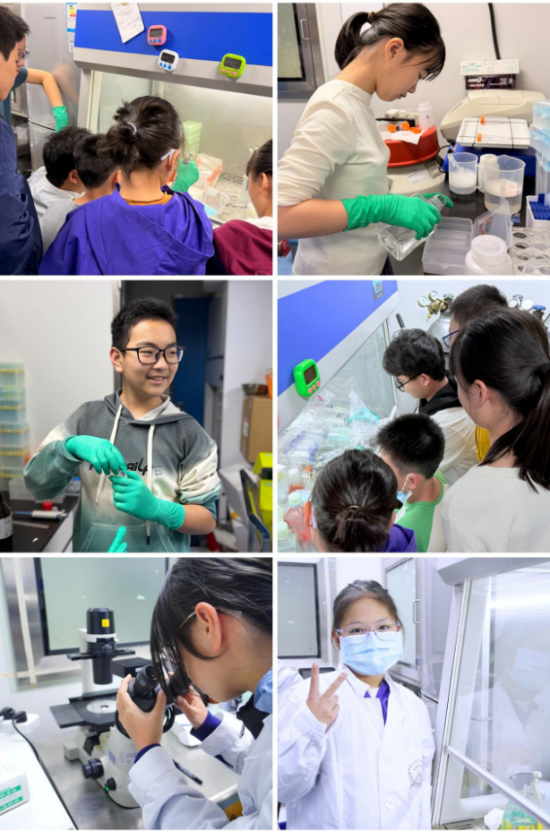
Figure 3: Photo collection of students during the activities
Final Presentations: Showcasing Sparks of Innovation
On the afternoon of January 28, the research camp drew to a close. Each group of students delivered well-prepared presentations on their learning achievements, followed by dynamic and engaging Q&A sessions.The presentations sparked a vibrant exchange of ideas, marked by innovative questions and insightful, well-elaborated answers,and their responses demonstrated personal reflection and intellectual growth beyond the curriculum.At the conclusion of the program, allstudentswere awarded certificates of completion and presented with commemorative gifts, marking a fulfilling and memorable end to their scientific journey.
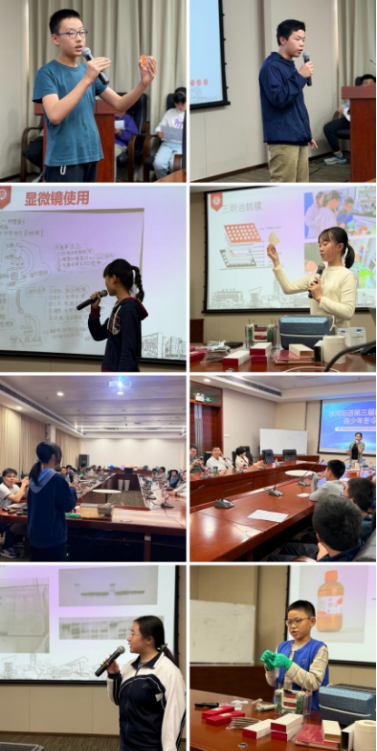
Figure 4: Final presentations by each student group
Inaugural Success: Building Dreams for the Future of Science
The success of this inaugural Life Sciences Research Camp marks a meaningful breakthrough in academic institutions and local communities’ collaboration and resource sharing to collectively support youth science education. It has deeply planted a "seed of science" in the hearts of these young minds. We look forward to seeing these seedsgerminate, flourish, and continuously inject vibrant youth energy into the nation's technological and scientific innovation in the years to come.
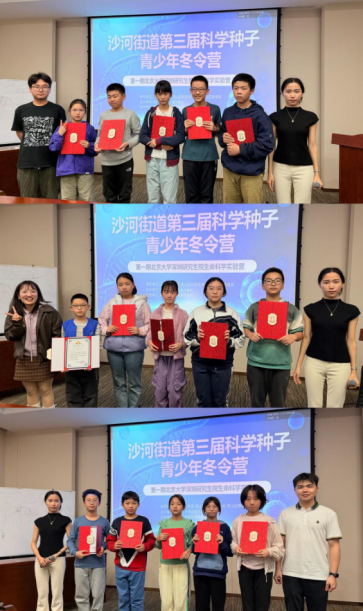
Figure 5: Presentation of completion certificates